Pro FeedCoaching
Serve Consistency: The Toss is Your Command Center
Mastering your serve toss is the single most important factor for serve consistency. Most players focus on their swing, but if the ball isn't in the same spot trial-by-trial, the biomechanics of the stroke are forced to compensate, leading to high error rates and shoulder strain. In 2026, the elite standard focuses on 'dead point' mechanics—releasing the ball with a straight arm and minimum wrist flick. By treating the toss as a controlled lift rather than a throw, you create a reliable contact window that allows your serve's kinetic chain to function perfectly every time.
AceFinder Editorial
5 days ago • 2 min read
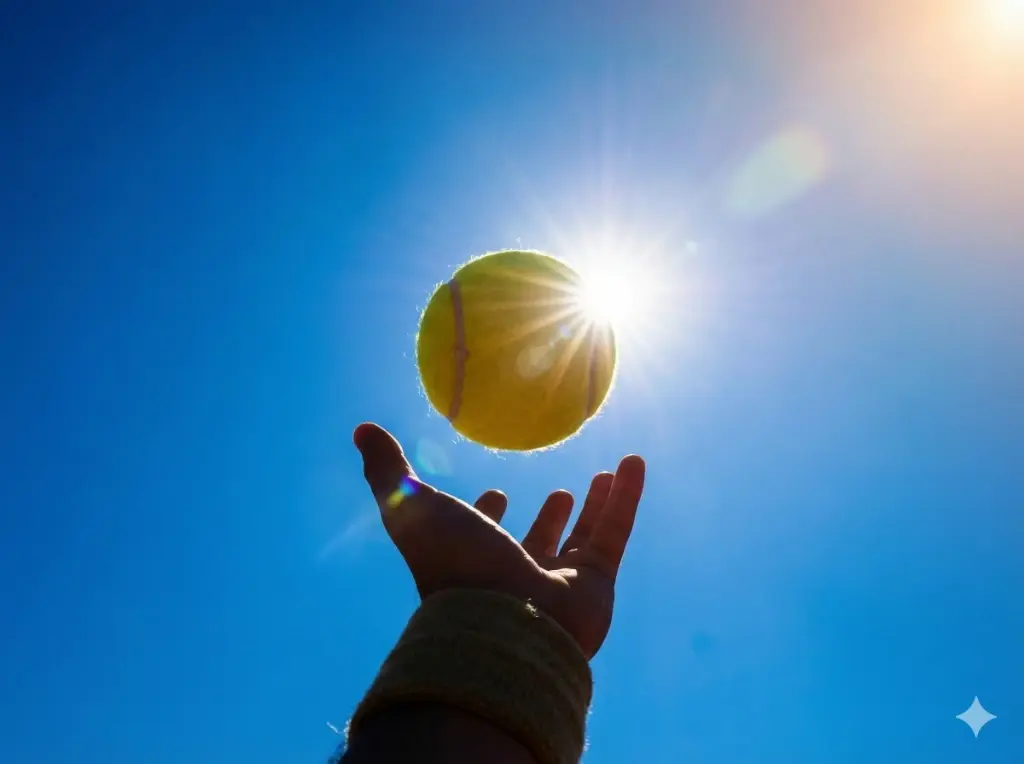
The Stat: 90% of Failures Start in the Hand
If you are struggling with double faults or a collapsing serve, stop looking at your racket path. Most players spend thousands of dollars on coaching their "swing," yet 90% of serve errors are actually toss errors. You aren't missing the serve; you are hitting a ball that was never in the right place to begin with.
The Anatomy of a Bad Lift
The most common mistake is "flicking" the ball with the fingers or bending the elbow. When you use your small muscles (fingers and wrist) to release the ball, you introduce a dozen variables that change with every point.
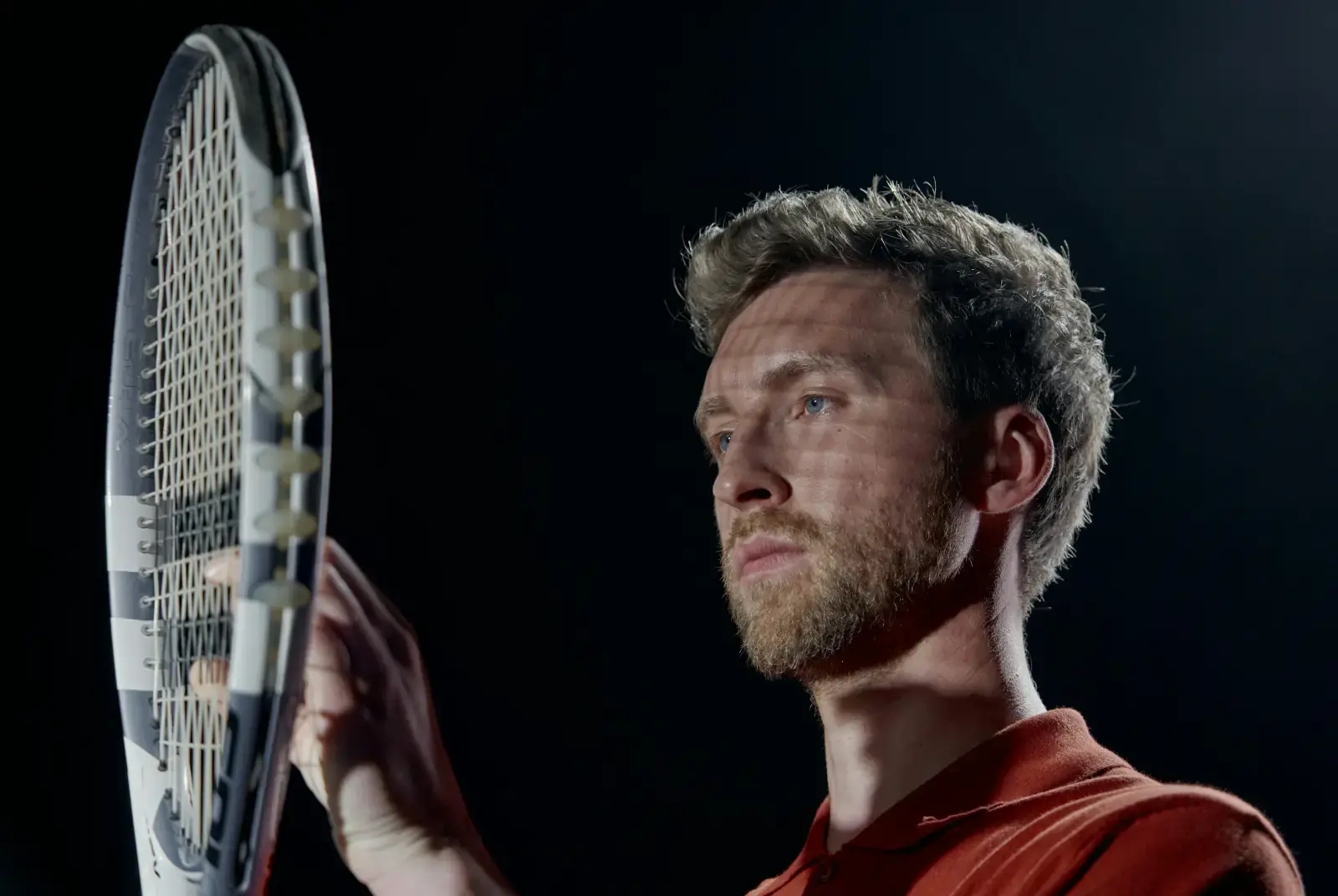
A "Straight Arm" lift is non-negotiable. Think of your left arm (for righties) as a mechanical crane. The motion should come entirely from the shoulder socket. If your elbow bends or your wrist snaps, the ball will dance behind your head or fly too far into the court, forcing you to chase it mid-swing. Stable mechanics are critical when wielding high-power frames like the Babolat Pure Drive or spin-centric options like the Yonex VCORE.
The "J-Toss": The Djokovic Secret
Many club players lift the ball in a straight line out to the side, which often pulls the torso open too early. To fix this, adopt the "J-Toss" used by Novak Djokovic and many modern pros.
Instead of lifting from the thigh, start the ball near your front pocket/groin and move it in a slight "J" curve toward the net post. This internal starting position keeps your tossing arm tucked in longer, preventing the premature shoulder rotation that kills power and causes the ball to "spray" wildly.
The Discipline: The "Statue" Drill
To master the toss, you must separate it from the hit. Great servers have the discipline to "take" a bad toss; amateurs swing at everything.
The Drill:
Assume your serving stance. Toss the ball with a locked, straight arm. Do not swing. Stay frozen like a statue. The ball must land inside the court, directly on or just in front of your lead toe.
→ Master your toss with the Serve Toss Smart Drills in the Locker Room
If the ball lands anywhere else—behind you, too far right, or back in the "deuce" court—it is a failed rep. Until you can land 10 tosses in a row on that "front toe" target, your arm is not a reliable delivery system.
Sources & Technical References
- Journal of Science and Medicine in Sport: Biophysical characterization of the tennis serve — a systematic scoping review. View Source
- ResearchGate: Kinematic analysis on the serve technique of Novak Djokovic. View Source
- ResearchGate: Research on Sports Biomechanics Based on Tennis Serve Technique. View Source
AceFinder PickEst. £185 - £205
Pure Drive Gen11
300g 100" 16x19
Recommended for you
Technical Data Pairs
Match your swing speed to a frame.
Our lab-data analyzer compares your biometric inputs against 2026 racket physics.
Launch Racket Finder