Pro FeedCoaching
Neutralizing the 120mph Serve: Time Stealing vs. Time Management
Neutralizing the 120mph serve is a psychological and physical challenge that defines the modern 2026 return game. Within a 0.4-second reaction window, successful neutralization requires a "Zero Backswing" or "Goalie Block" technique that utilizes the server's own kinetic energy. Our tactics guide analyzes why stable, high-Twistweight frames like the Wilson Blade are ideal for redirection, and how aggressive "Territory Management" on second serves can reduce a server's recovery time by up to 30%. By implementing the "Split-Step Snap" and focusing on the "Deep Third" target, you can force even the biggest servers into defensive risks, effectively shifting the pressure of the match back onto the opponent's delivery.
AceFinder Editorial
Last updated February 20, 2026 • 1 week ago • 4 min read
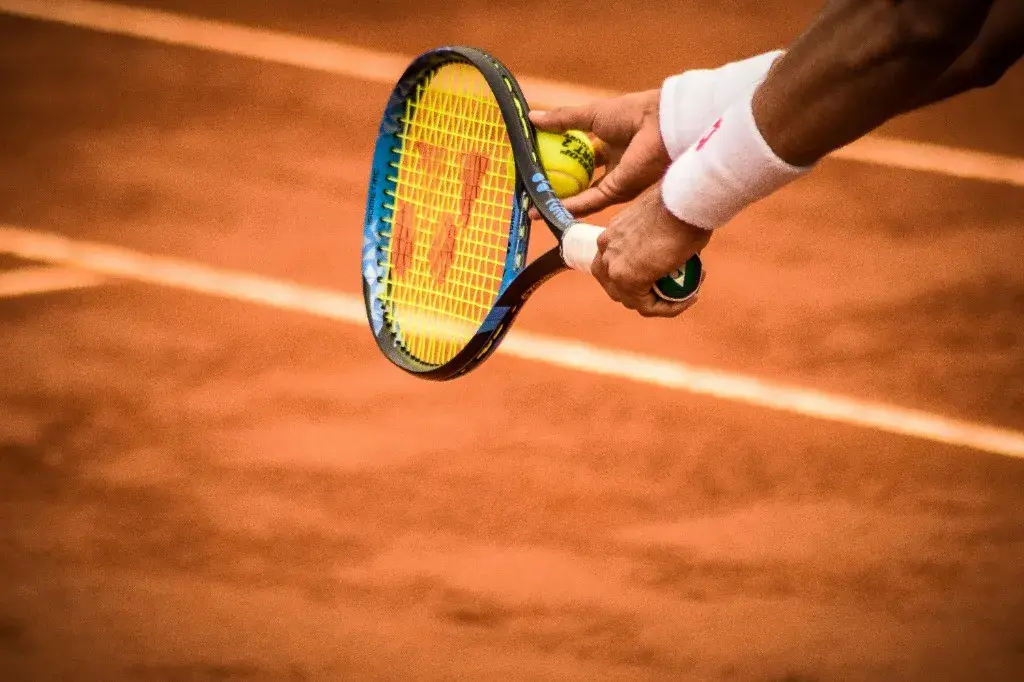
Technique 1: The "Goalie Block" (The 1st Serve)
In the modern game, the return of serve is a psychological nightmare. Against a 120mph serve, you cannot "out-swing" the ball. When facing a high-velocity first serve, your backswing is your enemy. The "Goalie Block" is about being a brick wall, a technique perfectly suited for stable frames like the Wilson Blade 98 v9.
Shorten the Lever: Choke up slightly on the grip (half an inch) to increase racket head control.
The "Zero" Backswing: Your racket should not go past your shoulder. Imagine you are a hockey goalie making a pad save.
The Punch: Use the server's 120mph pace against them. A compact, linear punch back into the middle of the court—deep and heavy—neutralizes the point instantly.
Technique 2: The "Step In" (The 2nd Serve)
The second serve is where you break their spirit. While the first serve is about survival, the second serve is about territory.
Instead of waiting for the ball to come to you, you must "Step In" as the server tosses. By taking the ball on the rise, you cut the angles of the slice or kick and take the ball 2-3 feet earlier than they expect. This forces the server into a defensive "half-volley" position on their very first shot, often catching them off-balance—a strategy made easier with the forgiving sweet spot of the Yonex EZONE 100.
The Psychology: Breaking the Server's Will
A "Big Server" relies on the comfort of free points. When you consistently block back 120mph bombs and step in on their second serves, the pressure shifts.
Suddenly, the server feels the need to go for more—more lines, more pace, more risk. This is where the double faults begin. By being an immovable object, you force them to try to be a perfect one. Once they realize their best weapon won't earn them a cheap point, their entire game plan usually collapses.
The Tactical Drill: The "Split-Step Snap"
To execute either technique, your footwork must be explosive.
The Timing: Your split-step must peak exactly as the server makes contact.
The Shadow: Practice "blocking" a serve without a ball. Focus on a wide stance and keeping your hands out in front of your peripheral vision at all times.
→ Track your timing with Split-Step Smart Drills in the Locker Room
Targeting: Aim for the "Deep Third"—the back 10 feet of the court. A deep return, even if it's slow, is more effective than a fast return that lands short.
Sources & Technical References
- Human Movement Science: Anticipation and Visual Information Processing Speed in Elite Tennis Returners. View Source
- Journal of Applied Biomechanics: Reaction Time and Muscular Pre-Loading (Split-Step) During High-Velocity Serves. View Source
- NeuroTracker X Research: The Neuro-Cognitive Demands of Returning Serves in Under 0.4 Seconds. View Source
AceFinder PickEst. £230 - £250
Blade 98 v9 16x19
305g 98" 16x19
Recommended for you

Technical Data Pairs
Match your swing speed to a frame.
Our lab-data analyzer compares your biometric inputs against 2026 racket physics.
Launch Racket Finder